admin
admin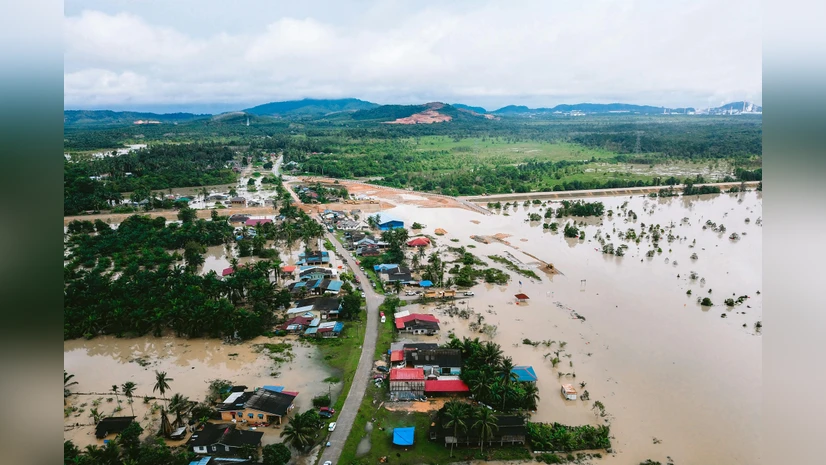
Sri Lanka is currently experiencing one of the most widespread natural disasters in recent years. Heavy rainfall, overflowing rivers, and a series of landslides triggered by a severe storm system have devastated multiple districts. Homes have been submerged, roads damaged, electricity and water networks disrupted, and thousands of families displaced.
If you’re a traveler planning a holiday in Sri Lanka right now – whether for beaches, the hill country, wildlife parks, or cultural tours – this is not the right time to visit. The country is under multiple red alerts, rescue operations are ongoing, and essential services are struggling to cope.Travel restrictions, warnings, and emergency information listed here were accurate during the peak impact of Ditwah Storm Live in 2025
This comprehensive guide explains the current situation, why travel should be avoided, safety tips for those already in the country, and all official emergency contacts in case you or someone you know needs assistance.
Current Situation in Sri Lanka: What’s Happening on the Ground
1. Widespread Flooding Across Major Districts⚠️
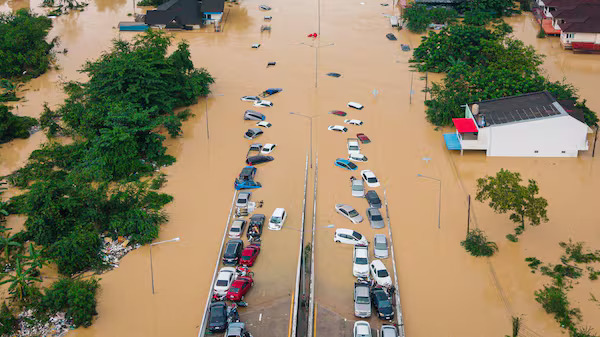
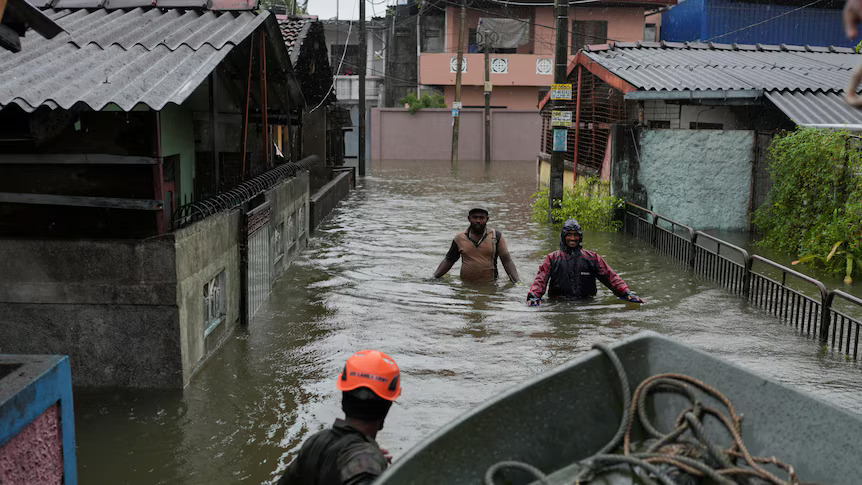
Many provinces – including Western, Sabaragamuwa, Southern, Central, and North-Western are heavily affected. Rivers such as the Kelani, Kalu, Malwathu Oya, and Gin Ganga have overflowed, damaging houses and cutting off access to entire communities.
Low-lying areas like Colombo, Gampaha, Kalutara, Ratnapura, Galle, Kurunegala, Kandy, Matara, and Puttalam have seen water levels rising rapidly, forcing emergency evacuations.
2. Landslides Reported in Hill Country⛰️
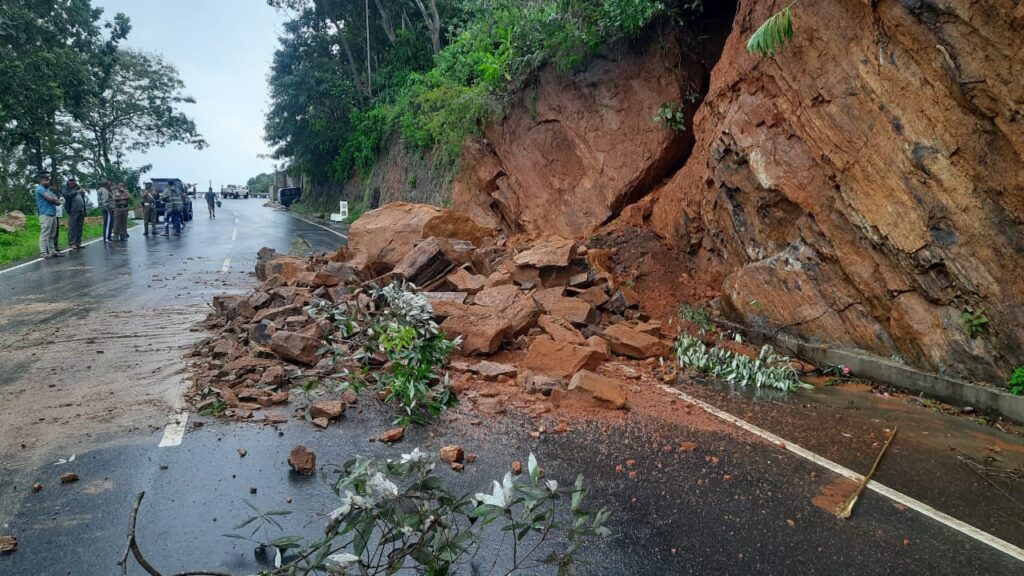
The Central Highlands have been hit with multiple landslides due to saturated soil and continuous rain. Districts like Kegalle, Nuwara Eliya, Badulla, Matale, and Kandy have reported slope failures, blocking roads, damaging houses, and leaving communities isolated.
Landslides remain unpredictable, making hill-country travel extremely dangerous.

3. Transport and Travel Disruptions Nationwide🚧
Travelers should be aware of the following disruptions:
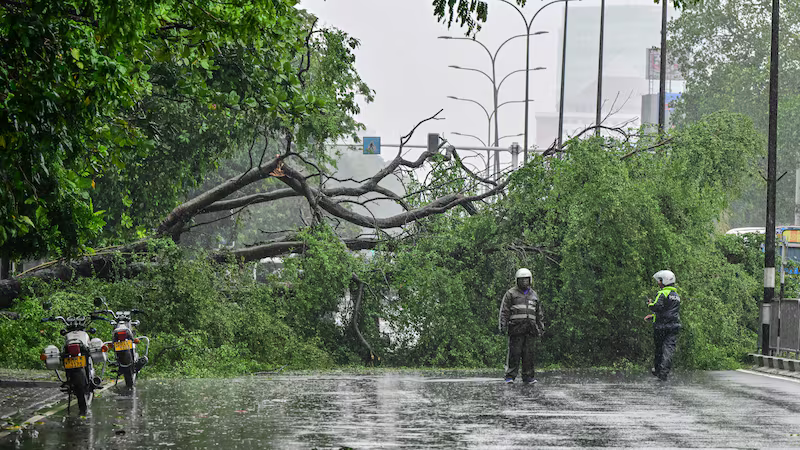
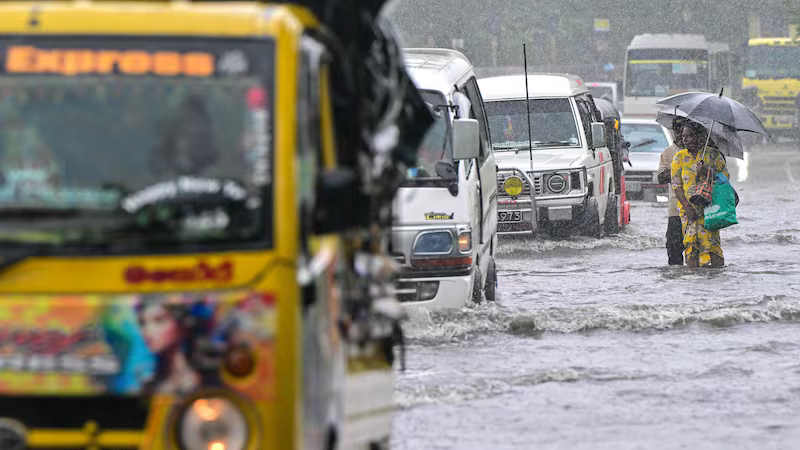
Road closures: Several main roads, highways, and bridges are blocked or washed away.
Railway suspensions: Many train services are cancelled due to submerged or damaged tracks.
Flight delays: Heavy storms have affected domestic and international flight schedules.
Public transport shortages: Buses and private transport services are limited.
Simply put – moving from one district to another is not safe or reliable right now.
4. Power Cuts, Water Outages & Service Disruptions🏥
Due to infrastructure damage:
Electricity outages are widespread
Water supply interruptions are common
Mobile towers in several areas are affected
Fuel distribution has slowed down
Travellers may not receive the level of service they expect, even in major cities or tourist hubs.


Why Travellers Should Avoid Visiting Sri Lanka Now
Here are the key reasons why postponing your trip is the safest and most responsible option
1. Traveller Safety Cannot Be Guaranteed
Floods and landslides can escalate without warning. Even areas that appear safe can become dangerous within minutes. If you are unfamiliar with local geography and weather patterns, the risk increases significantly.
2. Limited Access to Attractions and Destinations
Most national parks, waterfalls, trekking routes, and rural attractions are temporarily closed. Even popular destinations like:
🌧Horton Plains
🌧Ella
🌧Yala
🌧Kithulgala
🌧River safari areas
🌧Tea plantation regions
are unsafe or inaccessible.
Beaches are experiencing high tides and dangerous currents due to severe weather.
3. Transport Is Disrupted — You May Get Stranded
With roads blocked and public transport interrupted, travellers might get stuck in a flooded district with no way out. Emergency services are prioritizing citizens and rescue operations, not tourism-related assistance.
4. Hotels & Tourist Services Are Affected
Hotels in flood-hit regions are dealing with:
🚨Power outages
🚨Staff shortages
🚨Water contamination
🚨Property damage
🚨Cancelled bookings
Your holiday experience will not be what you planned.
5. Emergency Services Are Overloaded
Authorities, police, medical teams, and volunteers are fully focused on flood and landslide rescue operations. Tourism activities during this period place additional strain on already stretched resources.
If You’re Already in Sri Lanka — Safety Tips
If you cannot leave the country or are currently travelling inside Sri Lanka, follow these safety guidelines:
✔Avoid low-lying areas, riversides, and flood plains
Stay away from riverbanks, bridges, and reservoirs.
✔ Do not travel unnecessarily
Wait until weather and road conditions improve.
✔ If you’re in hill country, stay away from slopes
Look for warning signs: cracks on walls, tilted trees, unusual noises, muddy water seepage.
✔ Keep essentials ready
Water, food, torch, chargers, medicines, identification documents, cash.
✔ Follow official announcements only
Avoid rumours and rely on verified government alerts.
📞 Emergency Contacts for Flood & Landslide Situations in Sri Lanka (Save These Numbers)
Below is the most complete and updated list of emergency hotlines you can use:
🚨 1. Disaster Management Centre (DMC) — 24/7 Hotline
☎ 117
For evacuations, flood warnings, rescue coordination, landslide alerts.
Additional numbers:
☎+94 11 213 6222
☎+94 11 267 0002
☎+94 11 213 6136
🚓 2. Sri Lanka Police Emergency Hotlines
For rescue support, road emergencies, safety alerts.
☎ 118 / 119 (general police emergency)
☎011 2421820
☎011 2439212
☎011 2013036
☎011 2013039
Special Flood Rescue Line (Life Saving Division):
📞071 859 1868
Disaster Operations Rooms (for worst-affected districts):
☎011 2013051
☎011 2027148
☎011 2027149
☎011 2472757
☎011 2430912
🚑 3. Suwasariya Ambulance Service
For medical emergencies during floods/landslides:
☎ 1990
🔥 4. Fire & Rescue Services
For collapsed buildings, water rescue, or fire incidents during floods:
☎ 110
🏥 5. Hospital Ambulance / MOH Offices
If injured or in urgent need of transport when 1990 is delayed:
✅Nearest Base Hospital / District Hospital
✅Local MOH offices (available district-wise)
🛟 6. Local Government Disaster Relief Units
These units assist with food, shelter, evacuation, and on-ground rescue teams:
✅Divisional Secretariat Office
✅Grama Niladhari Office
✅Local Disaster Relief Committees
Ask any local police station if you’re unsure which office covers your area.
What Travellers Should Do if They Are in a Flood-Affected Area
Stay indoors or move to a higher safe location
Avoid travelling at night
Charge your devices — conserve battery
Contact DMC or Police if water levels rise
Do not attempt to cross flooded roads
Keep your passport and documents in waterproof bags
Follow hotel instructions — they are in touch with local authorities
Inform family/friends of your location frequently
When Can You Travel to Sri Lanka Again?
Tourism is expected to recover – but only after:
✅Water levels recede
✅Roads and bridges are repaired
✅Landslide risks decrease
✅National parks and attractions reopen
✅Flight schedules stabilize
This may take several days to a few weeks, depending on weather conditions.
For now, the safest choice is postponing or rescheduling your trip.
🌏 11. Final Advice for Travelers
Sri Lanka remains a beautiful destination, but natural disasters require caution. Floods can disrupt even the safest plans.
If you haven’t booked yet — delay.
If you are already here — stay put.
If you must travel — follow safety guidelines strictly.
Your safety is more important than your itinerary.
Click Here: Ditwah Storm Live Update
This article covers the Sri Lankan Flood Situation during late November – early December 2025. If you are reading this after the flood season has passed, please be aware that conditions may have already improved. Travel restrictions, road closures, emergency alerts, and safety warnings mentioned in this article were accurate during the peak flooding period of 2025. Always check the most recent updates from the Disaster Management Centre (DMC), local authorities, and weather services before planning any travel.