admin
admin
Alright everyone, let’s talk about something every business owner is thinking about today going online. I don’t care if you’re selling handmade crafts, running a small food delivery service, or even thinking about your side hustle. if you’re not online, you’re missing out.
Now, I know some of you are like, ‘But I’m on Facebook Marketplace already,’ or ‘I just sell through WhatsApp.’ And that’s cool! That’s a start. But here’s the thing if you really want to grow, if you want people to trust your business and see you as professional, you need your own website.
And when it comes to building a website, there are so many options. I’m talking WooCommerce, Shopify, Wix, Squarespace… you name it. But today, I want to focus on two platforms that I think give you the most bang for your buck and are beginner-friendly: WooCommerce and Shopify.
By the end of this talk, you’ll know which platform might be right for your business, how much it costs, how much tech knowledge you need, and which one is easiest if you’re just starting out.”
Why Going Online Is a Game Changer
Before we dive into the platforms, let’s talk about why an online presence is important:
Reach a Wider Audience
Unlike a physical store limited by location, an online store allows you to reach customers anywhere in the world.Lower Operational Costs
Running an online store can be much cheaper than a physical store. You save on rent, electricity, and staff for physical outlets.24/7 Availability
Online stores never close. Customers can browse and purchase anytime, even while you sleep.Easy Marketing and Analytics
Digital tools help you track sales, customer behavior, and marketing performance, which is hard to do in offline stores.Flexibility in Selling Platforms
You can sell on Facebook Marketplace, Instagram Shops, WhatsApp stores, or your website all at the same time.
Website-Making Tools Available Today
Today, creating a website has become easier than ever. Some of the most popular tools for building an e-commerce website include:
WooCommerce (WordPress plugin)
Shopify
Magento
BigCommerce
Wix eCommerce
Squarespace
Weebly
As someone who has experience working with online stores, I personally recommend WooCommerce and Shopify. Both are excellent choices, but they serve different types of businesses depending on your needs, technical skills, and budget.
WooCommerce: The Flexible WordPress Solution
WooCommerce is an open-source WordPress plugin that turns your website into a fully functional online store.
Advantages of WooCommerce
Full Customization
Since WooCommerce is open-source, you can customize almost everything—from product pages to checkout processes. You are only limited by your technical knowledge.Cost-Effective for Startups
WooCommerce itself is free, though you’ll need to pay for hosting, domain, and possibly premium plugins or themes. For small businesses, this makes it highly cost-effective.Wide Range of Plugins
WooCommerce supports thousands of plugins for SEO, marketing, payments, inventory, shipping, and more.Multiple Payment Gateways
You can integrate local and international payment options, including credit cards, PayPal, Stripe, and even cash on delivery.Control Over Your Data
Unlike hosted platforms, you own your website and data. You have complete control over backups, security, and customer information.
Considerations for WooCommerce
Technical Knowledge Required
Setting up WooCommerce requires basic knowledge of WordPress, hosting, and plugins. However, many tutorials and guides are available online.Maintenance Responsibility
You are responsible for updates, security, and backups.Costs Can Add Up
While the plugin is free, premium themes, plugins, and hosting can increase costs.
Shopify: The Hosted E-Commerce Powerhouse
Shopify is a fully hosted e-commerce platform designed to make selling online simple. It takes care of hosting, security, and maintenance so you can focus on selling.
Advantages of Shopify
Ease of Use
Shopify is beginner-friendly. You don’t need to know coding or manage hosting. You can set up a store within a few hours.Reliable Hosting and Security
Shopify takes care of hosting, SSL certificates, and security updates. You don’t need to worry about technical issues.Built-in Payment Options
Shopify Payments supports major credit cards, PayPal, Apple Pay, Google Pay, and more. You can also add local payment methods depending on your region.Professional Themes
Shopify offers a wide range of mobile-friendly, professional templates suitable for different industries.24/7 Support
Shopify provides customer support via chat, email, and phone, which is a big advantage for beginners.
Considerations for Shopify
Monthly Subscription Fees
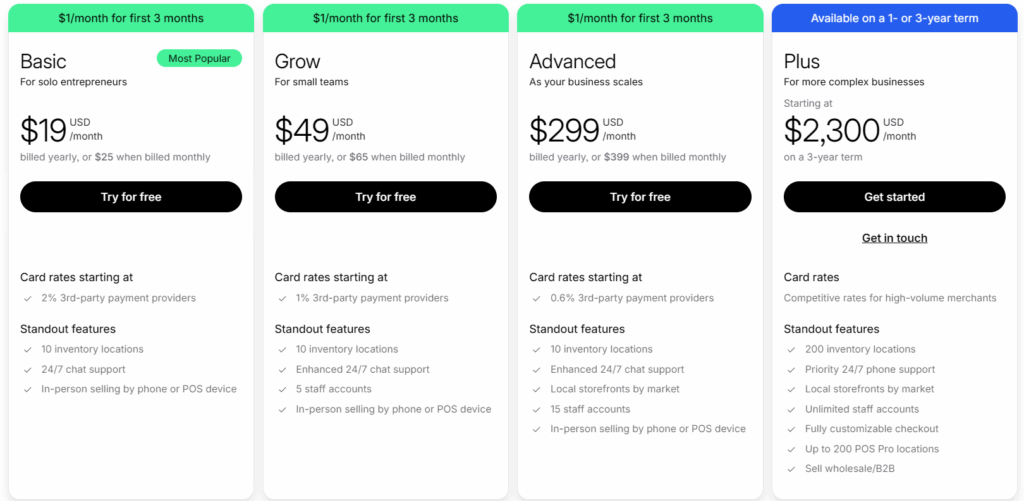
Plans start from $19/month for the basic plan, and additional apps or customizations can increase costs.Less Flexibility
Shopify is less customizable than WooCommerce, especially if you want advanced modifications.Transaction Fees
If you don’t use Shopify Payments, there’s a small transaction fee on every sale.
Shopify Plans & Pricing
WooCommerce vs Shopify: Head-to-Head Comparison

Which Platform is Best for Your Business?
If You Are a Small Startup
WooCommerce is ideal if you want a cost-effective solution and are willing to learn a bit about WordPress. You get full control over your store, and hosting costs can be minimal.
Shopify is ideal if you want a quick setup, don’t want to deal with technical issues, and are okay with a fixed monthly fee.
If You Are a Growing Business
WooCommerce offers more scalability and control but may require hiring a developer for advanced features.
Shopify provides seamless scaling with its hosted infrastructure, making it easy to handle increased traffic without worrying about servers.
Technical Knowledge Requirement
WooCommerce: Basic knowledge of WordPress, hosting, plugins, and website management.
Shopify: Minimal technical knowledge; intuitive drag-and-drop interface.
Cost Consideration
WooCommerce: Can be cheaper initially but depends on hosting and premium plugins.
Shopify: Predictable monthly fee but can become expensive with multiple apps.
Both WooCommerce and Shopify are excellent platforms, but the best choice depends on your business needs, budget, and technical expertise:
Choose WooCommerce if you want full control, high customization, and low startup costs.
Choose Shopify if you want simplicity, hassle-free maintenance, and reliable support.
Remember, going online is one of the best decisions for your business today. Whether you sell through Facebook Marketplace, WhatsApp, or your website, having a proper online store builds credibility, increases reach, and boosts sales.
If you are just starting out, consider your budget, tech skills, and long-term goals before choosing the platform. And don’t forget, no matter which platform you choose, marketing your store effectively is key to success.